


In a world where smartphones are practically an extension of ourselves, understanding mobile phone features is like knowing the secret handshake to the coolest club in town. With every new model boasting bells and whistles that could make a Swiss Army knife jealous, it’s easy to feel overwhelmed. But fear not! Navigating this tech jungle doesn’t have to be a Herculean task.
Overview of Mobile Phone Features
Mobile phones feature an array of components and functionalities that enhance user experience. Display quality significantly influences usability; vibrant colors and high resolutions make interactions appealing. Battery life remains crucial as well; users often prefer devices that support efficient energy consumption.
Processing power impacts multitasking abilities. Phones equipped with powerful processors effectively handle demanding applications. Cameras also play a vital role. High-resolution cameras with multiple lenses allow users to capture vibrant images in various conditions.
Connectivity options further enhance functionality. Modern smartphones support 4G and 5G networks, enabling fast internet access. Bluetooth and Wi-Fi capabilities allow seamless integration with various devices, enhancing productivity.
Storage capacity is another important feature. Devices with ample internal storage accommodate numerous applications, photos, and videos without external solutions. Security features add an extra layer of protection; options like fingerprint recognition or facial recognition provide user convenience and safety.
Manufacturers often incorporate software features that improve functionality. For instance, operating systems and user interfaces must be intuitive and responsive for optimal engagement. Voice assistants also enhance usability, offering hands-free control for various tasks.
Regular updates ensure that devices remain efficient and secure. Users benefit from continual improvements in performance and security protocols, extending the life of their devices. Understanding these features contributes to making informed decisions when selecting a mobile phone.
Display Technology
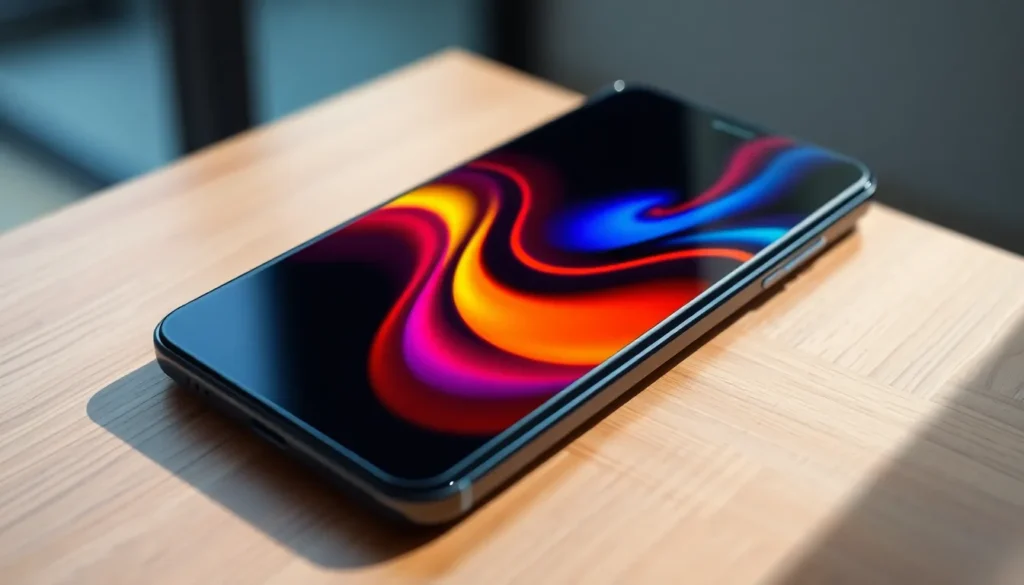
Display technology significantly impacts the mobile phone user experience. Understanding the differences helps users make informed choices.
LED vs. OLED
LED displays utilize light-emitting diodes to illuminate screens, offering bright images and vibrant colors. OLED, or organic light-emitting diode, technology creates deeper blacks and more contrast by illuminating individual pixels. Users benefit from OLED’s superior color accuracy and energy efficiency. LED displays often excel in direct sunlight due to their high brightness levels, while OLED screens can suffer from burn-in issues under certain conditions. Many users prefer OLED for its impressive visual performance, making it a popular choice in premium smartphones.
Refresh Rate Explained
Refresh rate measures how often a display updates each second, expressed in hertz (Hz). Standard refresh rates range from 60 Hz to 120 Hz on most devices, with higher rates resulting in smoother visuals. A 90 Hz or 120 Hz refresh rate enhances gaming and scrolling experiences, creating fluid motion without stuttering. Most users notice a significant difference in responsiveness, particularly during fast-paced activities. As mobile gaming and streaming gain popularity, manufacturers increasingly prioritize higher refresh rates, appealing to those seeking the best experience.
Camera Capabilities
Camera capabilities play a crucial role in determining the overall quality of mobile phone photography. Users look for advanced features that elevate their photographic experience.
Megapixels and Quality
Megapixels directly affect image resolution and clarity. A higher megapixel count, such as 108 MP, signifies more detail in images, allowing for larger prints without losing quality. Phones featuring between 12 MP and 50 MP usually strike a balance between quality and storage efficiency. Additionally, quality goes beyond just megapixels; sensor technology and lens quality significantly enhance image performance. Advanced image processing software optimizes colors and reduces noise, improving the final output. Thus, understanding megapixel specifications helps users assess whether a camera meets their photography needs.
Special Features: Night Mode and Macro
Night mode captures stunning images in low-light settings. This feature adjusts exposure and enhances detail, making nighttime photography more accessible. Users benefit from additional software algorithms that minimize blur and optimize colors in dim lighting. Macro capabilities enable close-up photography, highlighting intricate details. Devices with dedicated macro lenses or advanced software often produce sharp images of small subjects. Features like these enhance versatility and support creative expression in various shooting scenarios. Knowing these functionalities allows users to select devices that cater to their specific photography styles.
Battery Life and Charging
Battery life and charging mechanisms significantly impact mobile phone usability. Understanding these aspects ensures users select devices that meet their daily demands.
Battery Capacity Explained
Battery capacity directly influences how long a smartphone lasts between charges. Measured in milliampere-hours (mAh), higher figures typically correlate with longer usage times. For instance, a smartphone with a 4000 mAh battery can often support a full day of use for moderate users. Devices with lower capacities, such as 2500 mAh, may require more frequent charging, especially during heavy usage. Manufacturers often provide estimates of screen-on time to help users gauge performance. Many users prioritize larger batteries, especially for activities like gaming, streaming, and multitasking.
Fast Charging Technologies
Fast charging technologies offer quicker methods to recharge smartphones. Most modern devices support various fast charging protocols, which can reduce charging times significantly. For example, a smartphone supporting 25W fast charging often reaches 50% power within 30 minutes. Qualcomm’s Quick Charge and USB Power Delivery are popular standards, compatible with numerous devices. Some brands even implement proprietary fast charging solutions that enhance their products’ performance. These technologies make it easier for users to charge their devices during short breaks, catering to the fast-paced lifestyle many lead today.
Performance Specs
Performance specs determine how a mobile phone operates under various conditions, dictating everything from speed to multitasking capabilities. A strong performance ensures a smooth user experience across applications and tasks.
Processor Types and Speed
Processors serve as the heart of mobile phones, influencing overall performance significantly. Qualcomm Snapdragon and Apple’s A-series are among the most popular choices, each delivering distinct speed advantages. For instance, newer Snapdragon models, like the 888-series, offer advanced processing speeds that enhance gaming and streaming. Apple’s latest A15 Bionic chip provides similar benefits by optimizing efficiency and performance. Users often prefer devices with higher clock speeds, typically measured in gigahertz (GHz), as they indicate faster operations and quicker app launches. Understanding processor types and their speeds assist buyers in making informed choices tailored to their usage needs.
RAM and Storage Options
RAM plays a crucial role in device performance, influencing multitasking capabilities and app responsiveness. Models with 6GB or more RAM enable smoother transitions between apps and better management of background tasks. Storage options vary widely, with many smartphones offering capacities from 64GB to 512GB or more, catering to different user preferences. Higher storage capacity suits those with extensive media libraries or multiple applications. Additionally, some devices support expandable storage via microSD cards, offering further flexibility. Assessing RAM and storage options helps users choose devices that align with their daily activities and data storage requirements.
Connectivity Features
Connectivity features enhance the mobile experience, enabling seamless communication and efficient use of online resources.
5G Technology
5G technology delivers higher speeds and lower latency compared to its predecessor. This advancement significantly improves streaming, gaming, and video conferencing experiences. Users can expect download speeds up to 10 Gbps, allowing for quick file transfers and smoother interactions. Enhanced reliability and capacity in crowded areas mark additional benefits, making 5G an essential feature for modern smartphones. Many leading manufacturers increasingly incorporate 5G capabilities to meet rising consumer demands.
Wi-Fi and Bluetooth Standards
Wi-Fi and Bluetooth standards play crucial roles in maintaining effective connectivity. Wi-Fi 6, the latest standard, offers faster speeds and improved performance in congested environments, supporting up to 9.6 Gbps. Enhanced battery life for connected devices and better security measures come with this upgrade. Similarly, Bluetooth 5.0 provides faster data transfer rates and a greater range, reaching up to 800 feet. These features are particularly advantageous for smart home devices and accessories, allowing users to connect effortlessly and enjoy a more integrated experience.
Understanding mobile phone features is essential for anyone looking to enhance their smartphone experience. With a wide array of options available users can make informed decisions that align with their needs. From impressive display technologies to advanced camera capabilities and robust battery life these features significantly impact usability and performance.
Connectivity advancements like 5G and improved Wi-Fi standards further enrich the mobile experience. By prioritizing key specifications such as processing power and storage capacity users can ensure their devices meet daily demands. Staying informed about these features not only simplifies the selection process but also empowers users to fully utilize their smartphones in today’s fast-paced digital landscape.