


Imagine a world where your phone is as invisible as your motivation to hit the gym on a Monday morning. Welcome to the realm of invisible mobile technology, where devices blend seamlessly into everyday life. This isn’t just some sci-fi fantasy; it’s reshaping how we interact with our gadgets.
What Is Invisible Mobile?
Invisible mobile refers to technology that seamlessly integrates into everyday life, making devices nearly undetectable. Users no longer notice these devices as distinct entities, allowing for a more fluid interaction with their environments. Imagine smartphones that blend into surfaces, providing information or assistance without the traditional presence of a screen.
The core concept focuses on connectivity and convenience, emphasizing the reduction of physical interfaces. Smart glasses illustrate this idea, enabling users to access notifications and information while maintaining focus on their surroundings. Wearable tech like smartwatches also contributes to this evolution, providing users with essential functions without obvious distractions.
Artificial intelligence plays a crucial role in the development of invisible mobile technology. Advanced algorithms analyze user behavior and preferences, personalizing experiences beyond what traditional devices can offer. Safety and privacy emerge as significant concerns, prompting developers to prioritize secure data management while ensuring seamless functionality.
Invisible mobile represents a shift towards a more intuitive relationship between humans and technology. This transformation suggests a future where technology enhances daily life without demanding constant attention. Progress in this space shines a light on emerging technologies that make everyday tasks easier and more efficient.
As the landscape continues to evolve, the integration of invisible mobile technologies suggests a profound impact on communication and daily interactions. Users can expect improvements in productivity, convenience, and overall quality of life as this technology matures.
Features Of Invisible Mobile
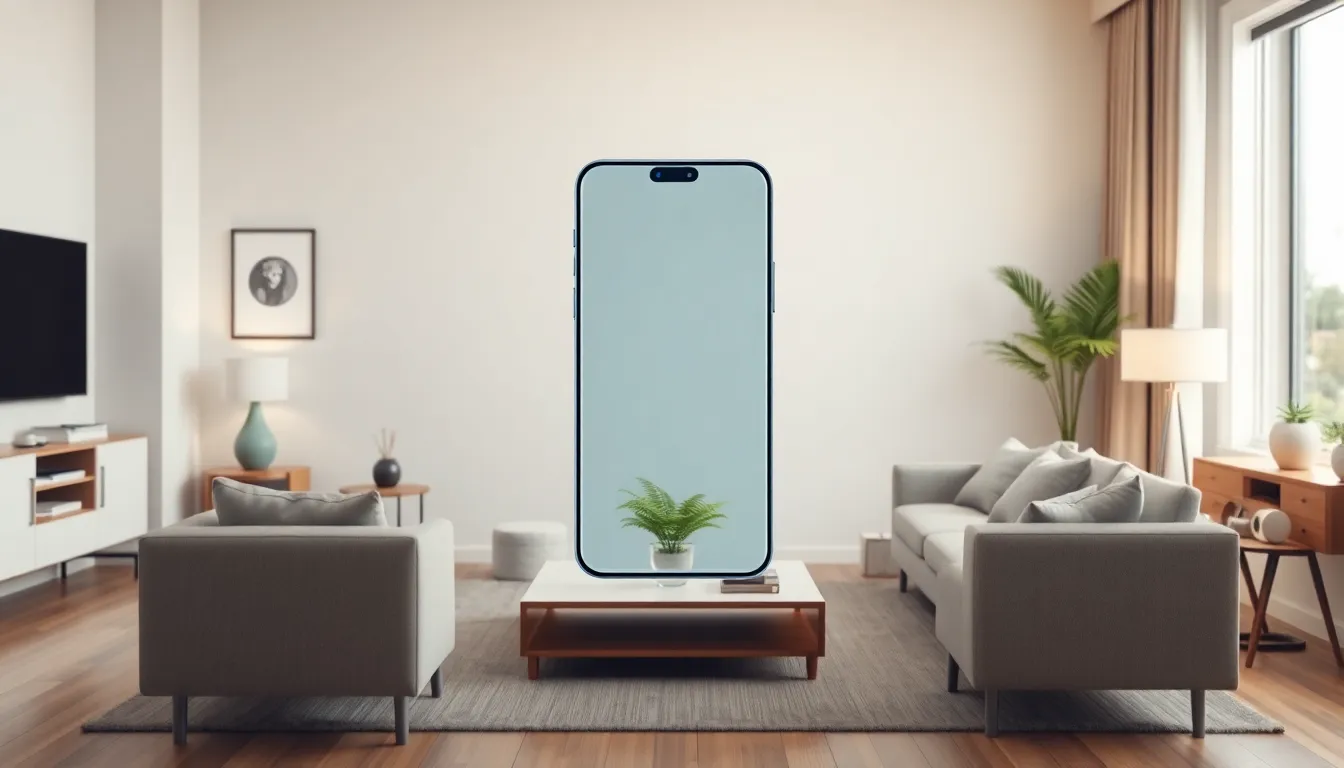
Invisible mobile technology includes unique design and functional capabilities that enhance user experience. These features shift the boundaries of interaction between individuals and their devices.
Design Elements
Seamless integration characterizes the design elements of invisible mobile devices. Devices may appear as everyday objects. Minimalist aesthetics play a key role, emphasizing simplicity without visible interfaces. Textures and colors blend into environments, allowing devices to go unnoticed. Transparency in materials enhances this undetectable quality.
Functional Capabilities
Advanced sensors empower invisible mobile technology. These sensors gather contextual data, providing personalized experiences. Interactions become intuitive as human gestures or voice commands control devices. Predictive algorithms anticipate user needs, facilitating smoother engagements with the technology. Elements of artificial intelligence enhance overall functionality, ensuring the devices adapt over time.
Benefits Of Using Invisible Mobile
Invisible mobile technology offers significant advantages that enhance daily interactions with devices. This seamless integration improves various aspects of user engagement.
Enhanced Privacy
Enhanced privacy is one primary benefit of invisible mobile technology. Users enjoy interactions without displaying data on visible screens, reducing the risk of information exposure in public settings. Contextual awareness protects sensitive information by providing relevant updates only when necessary. For instance, notifications appear only when users are in private environments. In addition, biometric security measures ensure that personal data remains secure, as only authorized individuals can access the information.
Improved User Experience
Improved user experience stems from the intuitive nature of invisible mobile devices. Devices perform tasks based on users’ habits and preferences, eliminating the need for manual input. Personalized interactions create a sense of ease while providing essential information. For example, smart glasses can display navigation prompts without needing a handheld screen. Minimalist designs encourage users to focus more on their surroundings rather than their devices. Predictive algorithms anticipate actions and streamline daily tasks, making technology feel like an extension of oneself.
Challenges And Limitations
Adoption of invisible mobile technology presents several challenges. Privacy concerns rank among the top issues, as users may worry about data collection and surveillance capabilities of integrated devices. Managing personal information can become complex when interactions occur without physical screens.
User interface design also faces obstacles. Intuitive interactions must be seamless, yet not all users feel comfortable with gesture-based or voice commands. Some may struggle to adjust to a lack of traditional displays, potentially hindering widespread acceptance.
Dependence on artificial intelligence contributes to limitations. The technology requires constant learning and adaptation, which can result in incorrect predictions or misunderstandings of user intent. Ensuring accuracy in recognizing behaviors is crucial for maintaining trust.
Battery life presents another challenge. As devices become more integrated and interconnected, energy consumption increases. Delays in charging or short usage times can frustrate users, affecting their experience with invisible mobile technology.
Regulatory hurdles exist as well. Emerging technologies often lack clear guidelines, which complicates the development and deployment process. Manufacturers and developers must navigate these uncertainties while striving for innovation.
Interoperability issues further complicate the landscape. Different devices within invisible mobile ecosystems often require compatibility with various platforms. Ensuring cohesive functionality across devices can pose challenges for developers.
Maintenance of security continues to be a concern. As devices become integrated into everyday life, potential vulnerabilities increase. Users expect reliable protection against cyber threats, which necessitates robust safety measures from developers.
Invisible mobile technology represents a groundbreaking shift in the way individuals interact with their devices. As this technology evolves it promises to create a more intuitive and seamless experience that enhances daily life. The integration of smart wearables and advanced sensors will redefine user engagement making technology an unobtrusive part of everyday activities.
While challenges such as privacy concerns and user interface design remain, the potential benefits of improved communication and productivity are significant. As developers address these hurdles the future of invisible mobile technology looks bright. Embracing this evolution could lead to a more connected world where technology supports rather than distracts from personal interactions and experiences.