


In a world where everyone’s a photographer, mobile photography reigns supreme. Gone are the days when a bulky camera was a must for capturing life’s moments. Now, with just a smartphone in hand, anyone can transform into a pro with a knack for framing the perfect shot. Who knew that a device meant for texting and scrolling could turn into a pocket-sized art studio?
Overview of Mobile Photography
Mobile photography refers to capturing images using smartphones instead of traditional cameras. This approach has gained immense popularity due to advancements in smartphone camera technology. Modern smartphones often feature high-quality lenses, image stabilization, and various editing tools, making it easier for users to produce stunning pictures.
Accessibility plays a significant role in mobile photography’s rise. With smartphones readily available, more people can take photos anytime and anywhere. Users often share images on social media platforms, contributing to the growth of mobile content creation and visual storytelling.
Techniques in mobile photography vary widely. Utilizing natural light often enhances photo quality. Composing shots carefully allows photographers to create visually appealing images. Experimenting with angles and perspectives can yield unique results. Editing applications offer additional options for refining images before sharing them.
Various genres thrive within mobile photography. Portrait photography captures individuals or groups, focusing on expressions and emotions. Landscape photography allows photographers to showcase natural beauty. Street photography often highlights candid moments in urban environments, revealing the vibrancy of daily life.
Collaboration also flourishes in the mobile photography community. Photographers often join online groups, exchanging tips and showcasing their work. This sense of community fosters creativity and inspires individuals to continually improve their skills.
Mobile photography encompasses a diverse range of techniques and subjects. Its accessibility and the continuous improvement of smartphone technology contribute to its ongoing popularity. The combination of creativity and community engagement further enhances the experience for photographers globally.
History of Mobile Photography
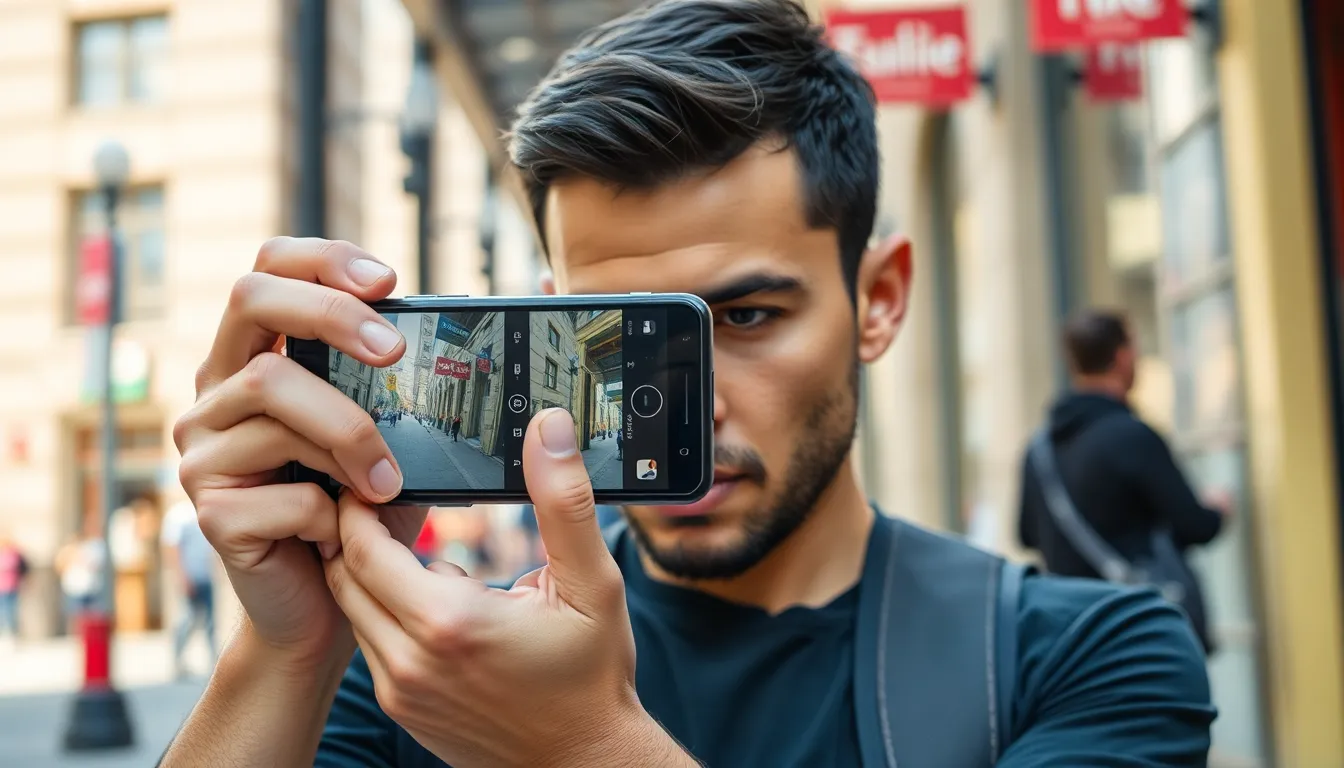
Mobile photography emerged alongside smartphone advancements, fundamentally changing how images are captured. The journey encompasses several key milestones that shaped today’s photographic landscape.
Early Innovations
Early mobile phones featured basic cameras, often producing low-resolution images that fell short of expectations. The introduction of the first camera phone, the Kyocera Visual Phone, in 1999 marked a pivotal moment. This device enabled users to send images via multimedia messaging, setting the stage for future innovations. Subsequent years saw incremental improvements, with manufacturers incorporating features like flash and zoom. By the mid-2000s, camera quality improved significantly, paving the way for a mobile photography revolution.
Evolution of Smartphone Cameras
Smartphone cameras evolved dramatically in the 2010s, focusing on enhancing image quality and functionality. Major brands launched devices with multiple lenses, optical image stabilization, and advanced sensors. Apple’s introduction of the iPhone in 2007 and its continuous upgrades made high-quality photography accessible. Android competitors quickly followed suit, leading to fierce competition and rapid technological advancement. The rise of editing apps further enhanced users’ ability to refine their images seamlessly. High dynamic range imaging and portrait modes became commonplace, allowing smartphone users to produce stunning, professional-quality visuals.
Techniques for Better Mobile Photography
Mastering mobile photography involves understanding key techniques that improve image quality and aesthetics.
Composition Tips
Careful composition enhances photo visual appeal. Rule of thirds encourages placing subjects along grid lines rather than centering them. Central framing works for simple subjects needing focus. Leading lines guide viewers’ eyes towards focal points, creating depth. Utilizing symmetry balances elements within the frame, while negative space highlights the subject effectively. Incorporating layers adds dimension, while experimenting with perspectives provides unique views. Observing backgrounds helps eliminate distractions. Finally, each environment offers distinct opportunities for creativity.
Lighting Considerations
Optimal lighting significantly influences photo quality. Natural light, especially during golden hour, produces soft and flattering tones. Shaded areas can help avoid harsh shadows, while backlighting creates dramatic silhouettes. Using reflectors, like white surfaces, enhances and softens light appropriately. Indoor settings benefit from diffused lighting, reducing glare and shadows in close-up shots. Avoid nighttime photography unless using artificial lights strategically; however, low-light settings require steadiness to prevent blurriness. Mastering light techniques transforms ordinary images into extraordinary captures.
Mobile Photography Apps
Mobile photography thrives with numerous applications available to enhance the creation and editing process. Users can choose from an array of tools that elevate their photography experience, ensuring high-quality results.
Editing Applications
Editing applications play a crucial role in refining images taken with smartphones. Popular options include Snapseed, Lightroom Mobile, and VSCO. Each offers a user-friendly interface, allowing photographers to adjust exposure, contrast, and saturation effortlessly. Filters enhance visual storytelling, while cropping tools refine composition effectively. These apps also support various formats, ensuring compatibility across platforms. Creators can share their enhanced photos on social media, further promoting their work with minimal effort.
Camera Enhancement Apps
Camera enhancement apps make a significant difference in mobile photography. Popular choices like Camera+ 2, ProCamera, and Open Camera enable users to access advanced features. These tools often include manual controls for shutter speed, ISO, and focus, providing photographers with greater creative freedom. Functions for capturing RAW images preserve detail and enable extensive editing afterward. Additional features like grids and leveling tools help users achieve better composition in their shots. By employing these applications, photographers can unlock the full potential of their smartphone cameras.
Popular Mobile Photography Styles
Mobile photography showcases various styles, allowing photographers to express creativity in unique ways. Two prominent styles are street photography and portraits and landscapes.
Street Photography
Street photography captures candid moments in public spaces. Photographers often focus on spontaneous interactions, emotions, and urban environments. This style emphasizes storytelling through imagery, revealing the life and culture of cityscapes. Smartphones enable quick snaps, allowing photographers to blend into their surroundings effortlessly. Using natural light enhances the atmosphere while capturing authentic moments. Noteworthy street photographers like Henri Cartier-Bresson inspire many through their compelling narratives. With the rise of social media, sharing striking street images has gained popularity, connecting photographers with audiences worldwide.
Portraits and Landscapes
Portraits highlight the personality and emotion of subjects through close-up shots. Often, natural lighting creates a flattering effect, showcasing the subject’s features. Photographers utilize composition techniques, such as framing and depth of field, to draw attention to the subject. Landscapes depict the beauty of nature, whether through sweeping vistas or intricate details. Mobile photographers leverage smartphones’ advanced camera features, like HDR and wide-angle lenses, to capture breathtaking scenes. Both styles thrive through the convenience and quality of modern smartphone cameras. Whether capturing people or stunning landscapes, mobile photography provides endless opportunities for creativity.
Mobile photography has become an integral part of modern life. With the power of smartphones in hand anyone can capture stunning images that tell a story. The advancements in camera technology and editing apps have democratized photography enabling creativity to flourish.
As more people embrace this art form they’re not just taking pictures but also sharing their unique perspectives with the world. The vibrant community around mobile photography fosters collaboration and inspiration making it a dynamic space for both beginners and seasoned photographers alike.
Ultimately mobile photography continues to evolve offering endless possibilities for those willing to explore its creative depths.