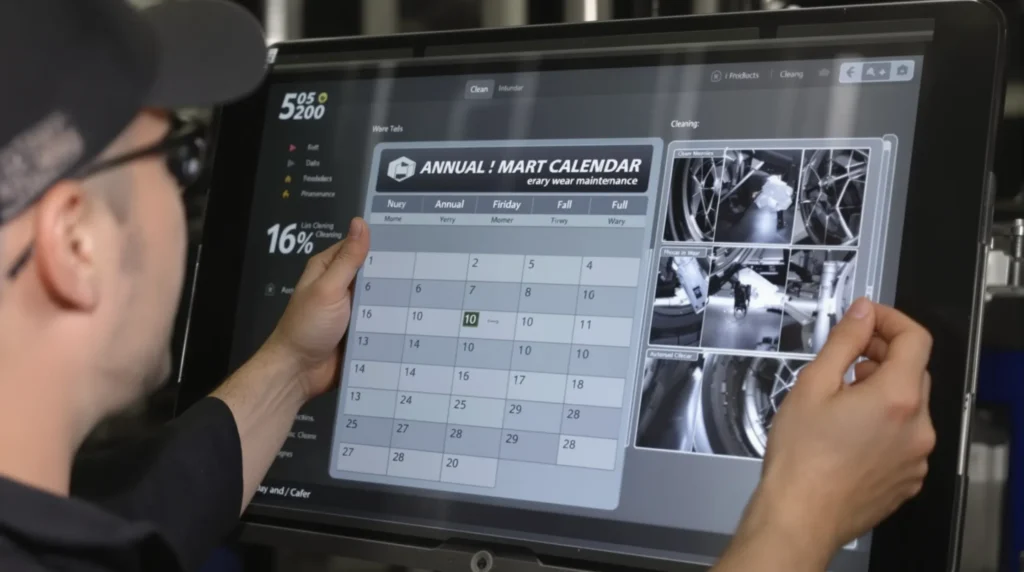
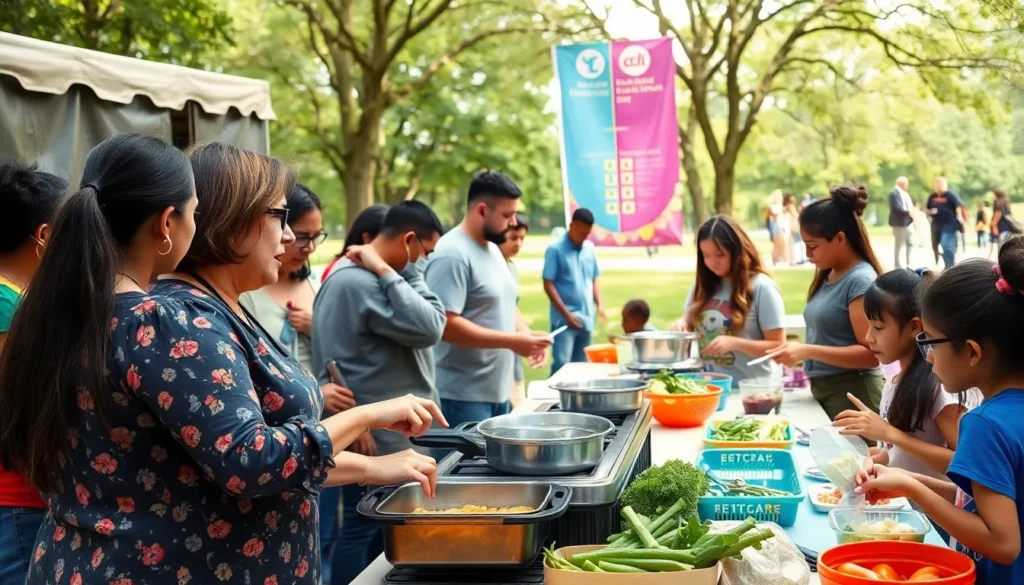

Imagine a world where learning isn’t confined to stuffy classrooms or boring lecture halls. Enter mobile workshops—the superheroes of education that bring knowledge directly to your doorstep. Whether it’s crafting, coding, or culinary skills, these on-the-go experiences transform mundane routines into exciting adventures.
Understanding Mobile Workshops
Mobile workshops present a modern approach to education that adapts to learners’ needs. These workshops, which take place outside traditional classrooms, emphasize hands-on experiences and practical skills.
Definition and Concept
Mobile workshops are training sessions held in various locations, making learning accessible to everyone. They focus on delivering skill-based education tailored to participants’ interests. In these workshops, instructors utilize interactive methods, encouraging engagement and collaboration. Sessions often cover diverse subjects, from art to technology. By providing resources directly in communities, mobile workshops facilitate learning in a familiar environment.
Types of Mobile Workshops
Several types of mobile workshops cater to different interests and skills. Crafting workshops introduce participants to techniques like pottery, painting, or sewing. Culinary workshops focus on cooking skills, from basic techniques to gourmet preparations. Technology workshops encompass coding classes, digital marketing, and software development. Health and wellness workshops promote fitness through activities such as yoga or mindfulness training. Each type aims to enrich participants’ lives by offering practical knowledge and skills.
Benefits of Mobile Workshops
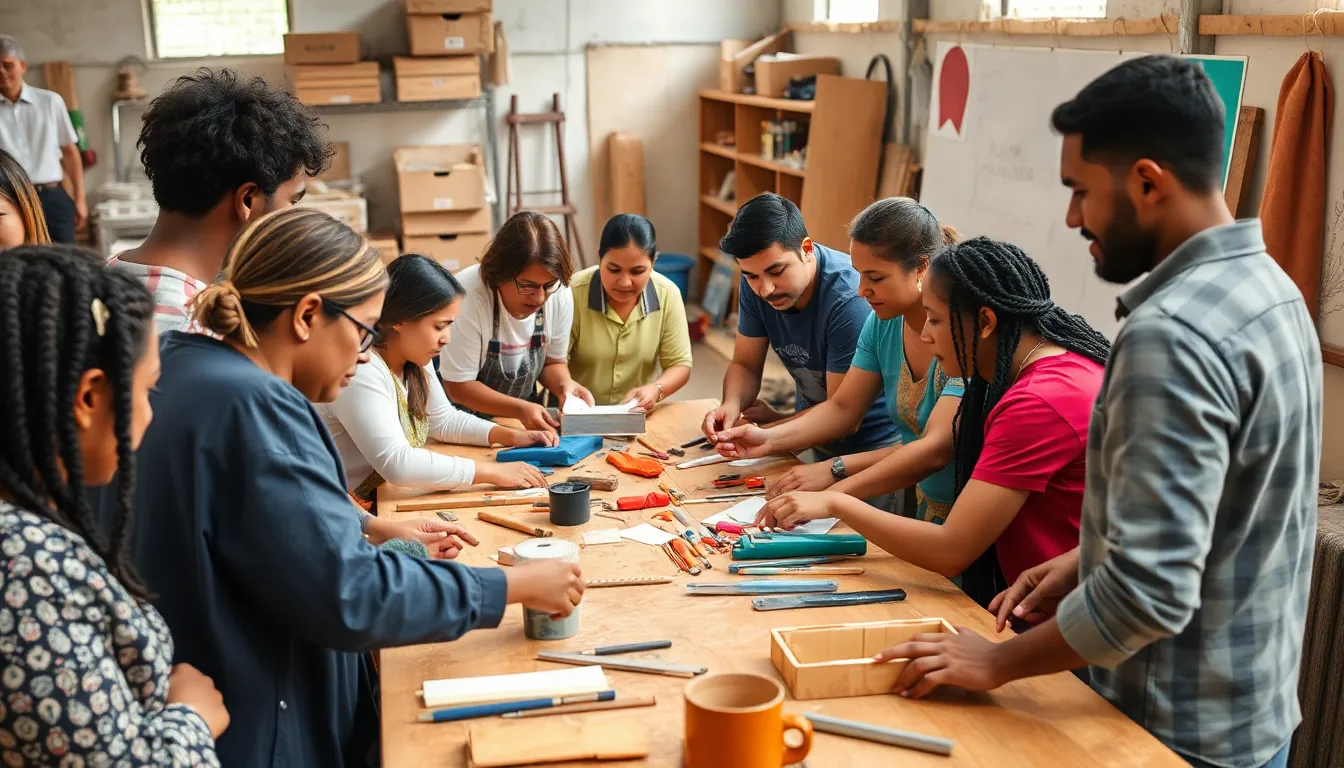
Mobile workshops offer various advantages that enhance learning experiences. They deliver education directly to participants in their familiar environments.
Convenience and Accessibility
Convenience ranks high among the benefits of mobile workshops. Participants can engage in skill-building activities without needing to travel to distant locations. Accessibility to diverse skill sets fosters inclusivity, allowing individuals from various backgrounds to join. Workshop providers often choose community spaces, making attendance easier for local participants. Scheduling flexibility further accommodates diverse lifestyles, allowing learners to balance education with other commitments. Organizations can also raise awareness and encourage participation by hosting these workshops in neighborhoods.
Skill Development Opportunities
Skill development remains a primary focus of mobile workshops. These sessions emphasize a hands-on approach, allowing participants to practice skills in real-time. Instructors tailor content to meet specific learner interests, enhancing engagement and retention. Collaborative projects foster teamwork, promoting social skills alongside technical training. Personalized feedback from experienced facilitators aids in overcoming challenges and improving abilities. Mobile workshops also adapt to various levels of expertise, ensuring that beginners and advanced learners receive suitable guidance.
Implementing Mobile Workshops
Implementing mobile workshops requires careful planning and consideration of various factors to ensure success.
Key Considerations
Location accessibility plays a major role in attendance. Choosing community spaces that are familiar encourages participation. Flexible scheduling accommodates different lifestyles and allows individuals to join at their convenience. Audience engagement is vital; workshops should be designed to cater to diverse learning styles. Facilitators must adjust methods to meet the needs of both beginners and advanced learners. Collaboration among participants fosters a supportive atmosphere, enhancing the overall experience. Safety protocols must also remain a priority during any hands-on activities, ensuring a secure environment for all involved.
Necessary Equipment and Tools
Essential tools vary based on the type of workshop offered. Quality materials enhance the learning experience, so investing in appropriate supplies proves beneficial. For crafting workshops, items like scissors, glues, and textiles are vital. Culinary sessions require utensils, ingredients, and cooking appliances. Technology workshops need devices such as laptops, tablets, and software relevant to the subject matter. Health and wellness workshops often incorporate fitness equipment and instructional materials. Each workshop should provide necessary protective gear for participants, ensuring their safety while engaging in practical tasks.
Success Stories
Mobile workshops have transformed many lives through skill development and real-life applications. They offer relatable experiences that showcase their effectiveness.
Case Studies
One notable case involves a mobile culinary workshop organized in an urban neighborhood. Participants learned to cook healthy meals within budget constraints. After the workshop, many reported improved dietary habits and enhanced cooking confidence. Another case from a crafting workshop illustrated significant community engagement. Residents collaborated on art projects that beautified local spaces, fostering a sense of pride and ownership among participants.
Testimonials from Participants
Participants consistently share positive experiences from mobile workshops. One individual noted, “I gained valuable skills that I now use daily.” Another expressed gratitude for convenience, stating, “It’s amazing that learning comes right to my doorstep.” Many also emphasize the supportive environment. One participant stated, “The facilitators made the learning process enjoyable and approachable.” These voices reflect the meaningful impact of hands-on education in communities.
Challenges and Solutions
Mobile workshops face several challenges despite their benefits. Addressing these obstacles enhances their effectiveness.
Common Obstacles
Limited funding impacts the reach of mobile workshops. Participants often encounter scheduling conflicts that hinder their attendance. Equipment shortages can also inhibit hands-on learning experiences. Engaging diverse audiences proves difficult when access to various community spaces is restricted. Additionally, varying skill levels create challenges in ensuring all participants receive appropriate instruction.
Strategies to Overcome Challenges
Establishing partnerships with local businesses can provide necessary resources and funding. Flexible scheduling options can accommodate participant availability, increasing involvement. Using mobile or shared equipment can help overcome shortages, ensuring access for all. Tailoring workshops to address different skill levels allows facilitators to engage diverse audiences effectively. Creating a comfortable learning environment fosters inclusion, promoting greater participation from various community members.
Mobile workshops represent a significant shift in how education is delivered. By prioritizing accessibility and hands-on learning, they enrich participants’ lives and foster community engagement. The diverse range of skills offered ensures that there’s something for everyone, making learning more personalized and enjoyable.
While challenges exist, the potential for transformative experiences is immense. With the right strategies in place, mobile workshops can continue to thrive, creating inclusive spaces where individuals can grow and connect. Embracing this innovative approach to education can lead to lasting benefits for communities and individuals alike.